
News
Please read more in our news sections:

Andy Raine - New Executive Secretary of CMS and ASCOBANS
Andy Raine has been appointed as Executive Secretary of the Convention on the Conservation of Migratory Species of Wild Animals (CMS), effective Monday, 1 June 2026. In his role, Mr. Raine will also serve as the Executive Secretary of the Agreement on the Conservation of Small Cetaceans of the Baltic, North East Atlantic, Irish and North Seas (ASCOBANS).
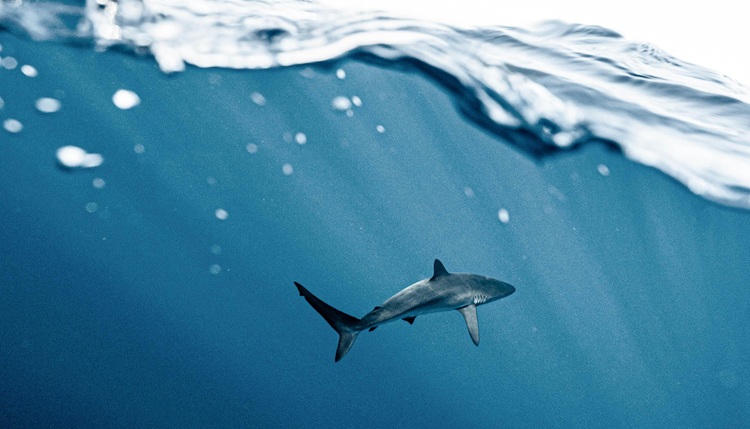
High Seas Treaty: A New Era for Migratory Species and Ocean Governance
The Agreement under the United Nations Convention on the Law of the Sea (UNCLOS) on the Conservation and Sustainable Use of Marine Biological Diversity of Areas Beyond National Jurisdiction (BBNJ Agreement) has reached the threshold for entry into force. This historic milestone marks the beginning of a new era for the conservation and sustainable use of marine biodiversity in the high seas—an area covering two-thirds of the world’s ocean.
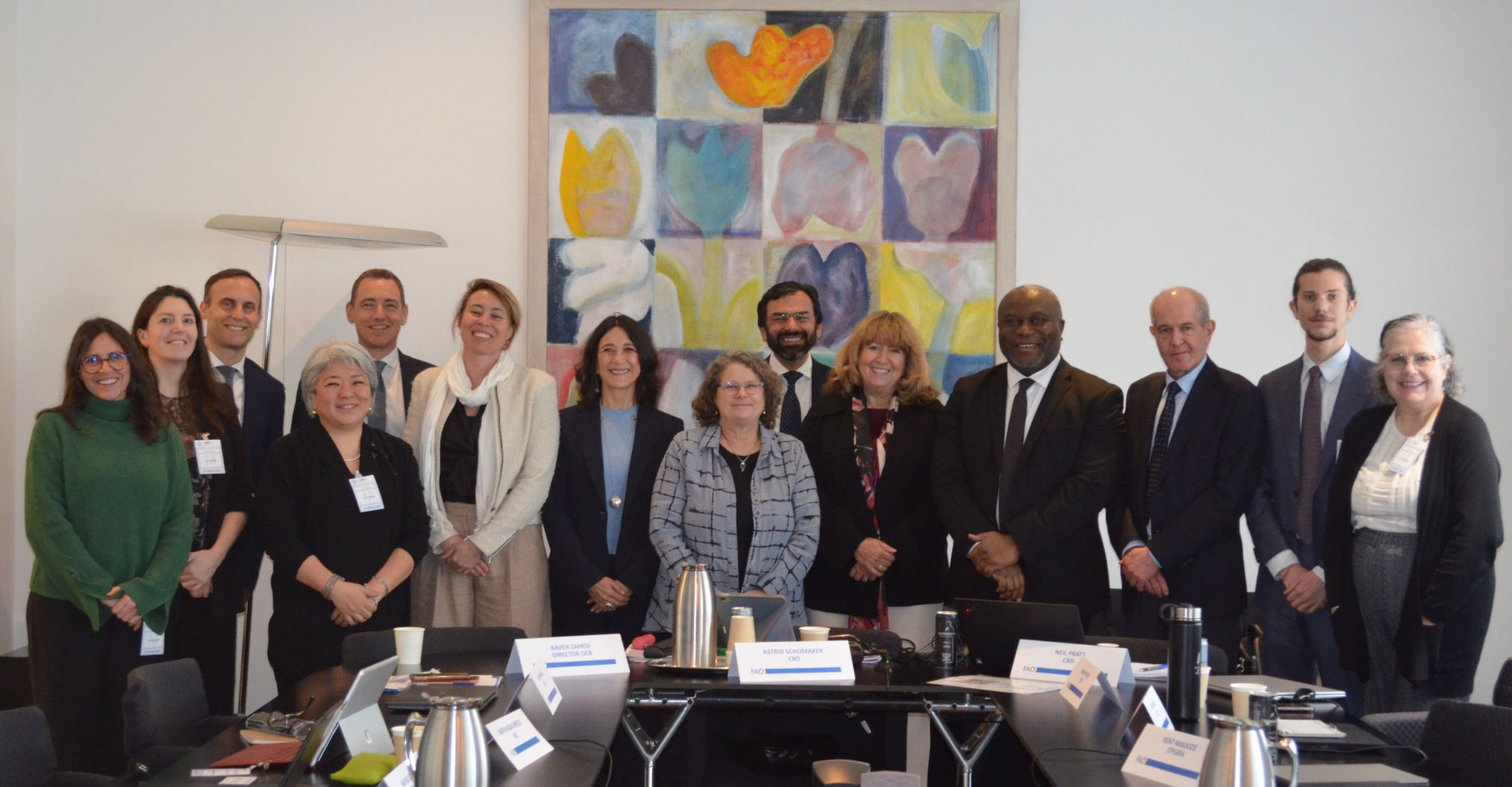
Investing in Biodiversity: Unlocking Greater Returns
The Liaison Group of Biodiversity-related Conventions (BLG), a long-standing network uniting the executive heads of the eight biodiversity-related conventions, met on 21 February 2025 at FAO Headquarters in Rome ahead of the resumed sessions of the United Nations Biodiversity Conference (CBD COP16). The group reaffirmed their collective support to the conservation and sustainable use of biodiversity and the Kunming-Montreal Global Biodiversity Framework (KMGBF).
Internship Opportunities in the Aquatic Species Team
Are you a university student or a recent graduate? Are you interested in aquatic migratory species? Are you interested in the work of a multilateral environmental agreement of the United Nations? If your answer is yes, maybe consider applying for an internship in our Aquatic Species Team! (ASCOBANS, CMS, Sharks MOU, IOSEA Marine Turtle MOU)
https://careers.un.org/jobSearchDescription/251445?language=en
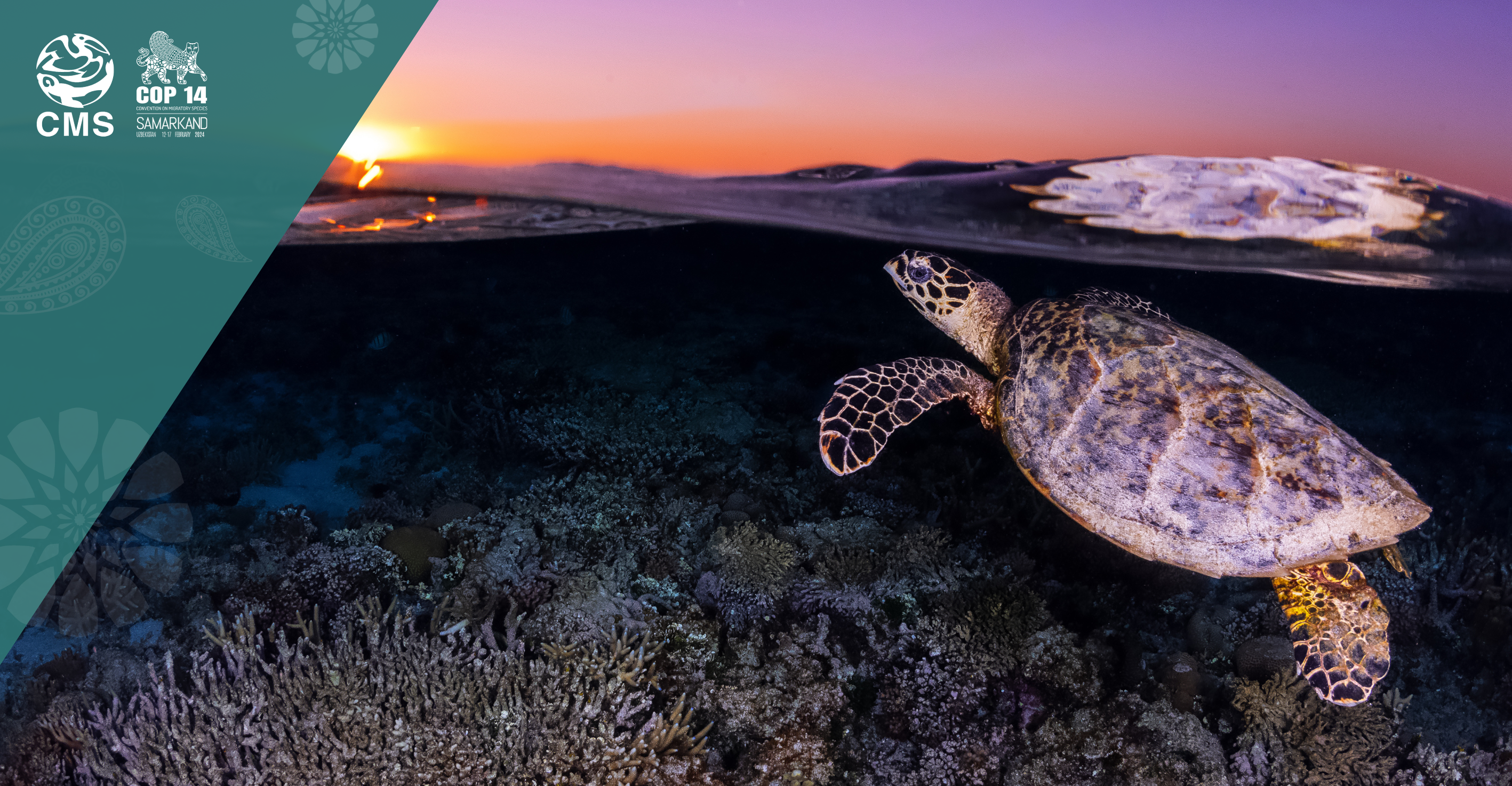
COP14 - ¿Qué esperar de las especies acuáticas migratorias?
De las especies migratorias enumeradas en la Convención sobre las Especies Migratorias, 64 son mamíferos acuáticos, 54 son peces y 9 son reptiles, que abarcan muchas especies diversas como ballenas, tiburones y tortugas. Sus áreas de migración incluyen ríos, estuarios, playas, praderas de pastos marinos, arrecifes de coral, zonas costeras, mar abierto, fosas de aguas profundas y montes submarinos, por nombrar sólo algunos. Están presentes en todas las zonas climáticas, en todos los océanos y en muchos sistemas de aguas continentales. Las amenazas a las que se enfrentan son múltiples e incluyen la sobreexplotación, la pérdida y degradación del hábitat, la contaminación y el cambio climático.
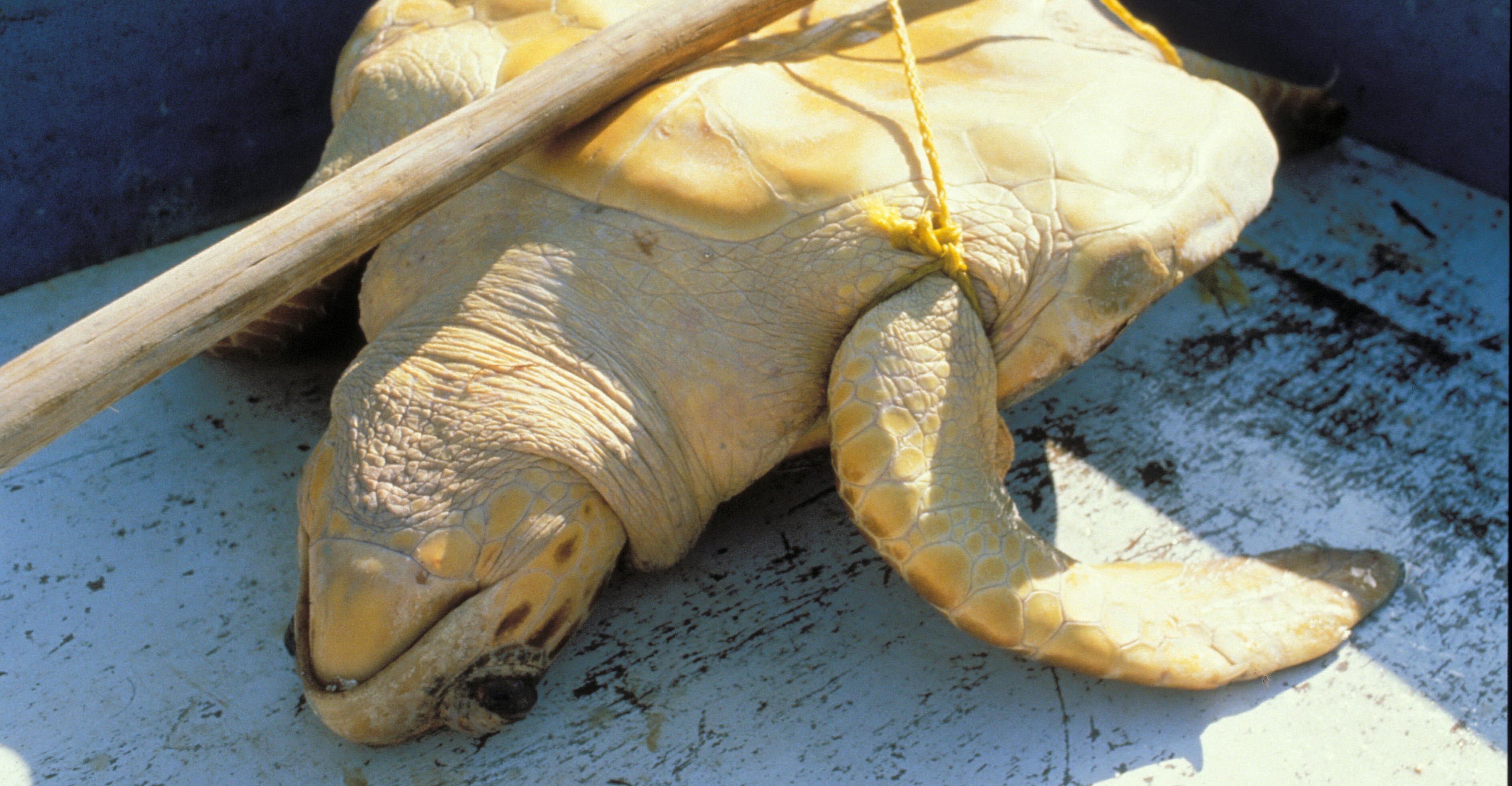
New Review Finds the Consumption of Wild Meat of Aquatic Megafauna Protected Under CMS to be Widespread Throughout the Tropics
Published on 21 March was a review of the literature and overview of the contemporary use of aquatic megafauna (cetaceans, sirenians, chelonians, and crocodylians) in the global tropics and subtropics, for 37 species listed on the Appendices of the Convention on Migratory Species (CMS).
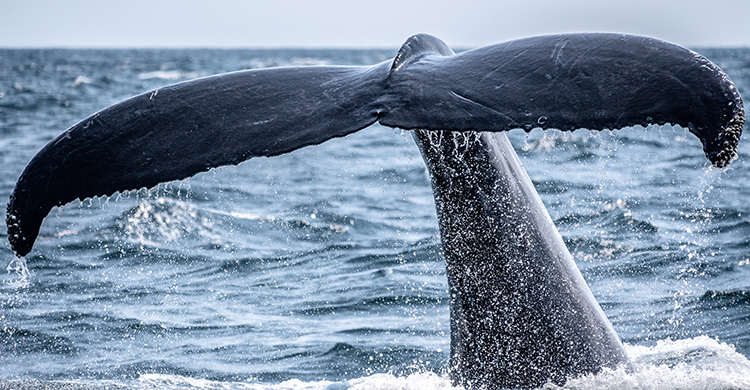
Debate sobre la nueva amenaza de la minería en aguas profundas en la 4.ª Reunión de los Signatarios del MdE sobre los Cetáceos de las Islas del Pacífico
Organizada en cooperación con la Secretaría del Programa Regional del Pacífico para el Medio Ambiente (SPREP), la 4.ª Reunión de los Signatarios del MdE sobre los Cetáceos de las Islas del Pacífico (MdE4 PIP) tuvo lugar de manera virtual del 5 al 6 de agosto de 2021.
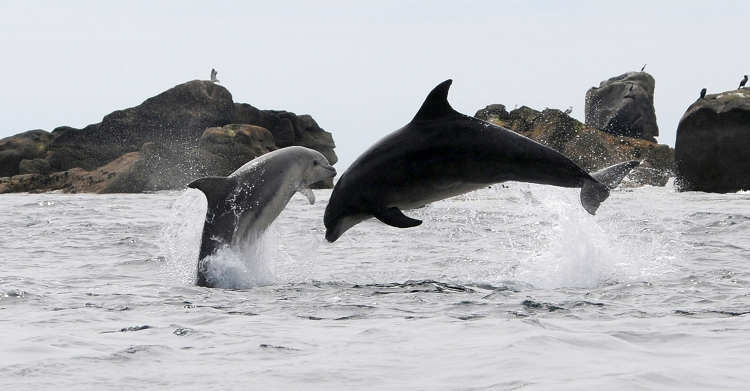
New Toolkit to Improve Marine Mammal Conservation in MPAs
A Marine Mammal Management Toolkit has been released by the European Union-funded Ocean Governance project. Marine mammals are increasingly subject to anthropogenic threats such as bycatch, ship strikes and noise pollution. There is a real need for effective conservation measures, which are often applied through the designation and management of Marine Protected Areas (MPAs). However, their success is often limited due to lack of capacity, resources and on occasion of relevant expertise. This Toolkit will provide knowledge to support marine mammal conservation in MPAs.
Internship Opportunities in the Aquatic Species Team
Are you a university student or a recent graduate? Are you interested in aquatic migratory species? Are you interested in the work of a multilateral environmental agreement of the United Nations? If your answer is yes, maybe consider applying for an internship in our Aquatic Species Team! (ASCOBANS, CMS, Sharks MOU, IOSEA Marine Turtle MOU)